


The Hidden Costs of Luxury Custom Home Building (And How to Plan for Them)
Building a custom luxury home in Victoria, BC, offers unmatched opportunities to create a space that reflects personal values, architectural preferences, and long-term lifestyle needs.
This article offers a comprehensive overview of the often-overlooked costs of building a high-quality custom home—and how to plan with confidence and clarity. From site prep and permits to technology integration and design changes, we explore each area with practical insight for those considering or actively engaged in the building process.
1. Site Preparation and Lot Constraints
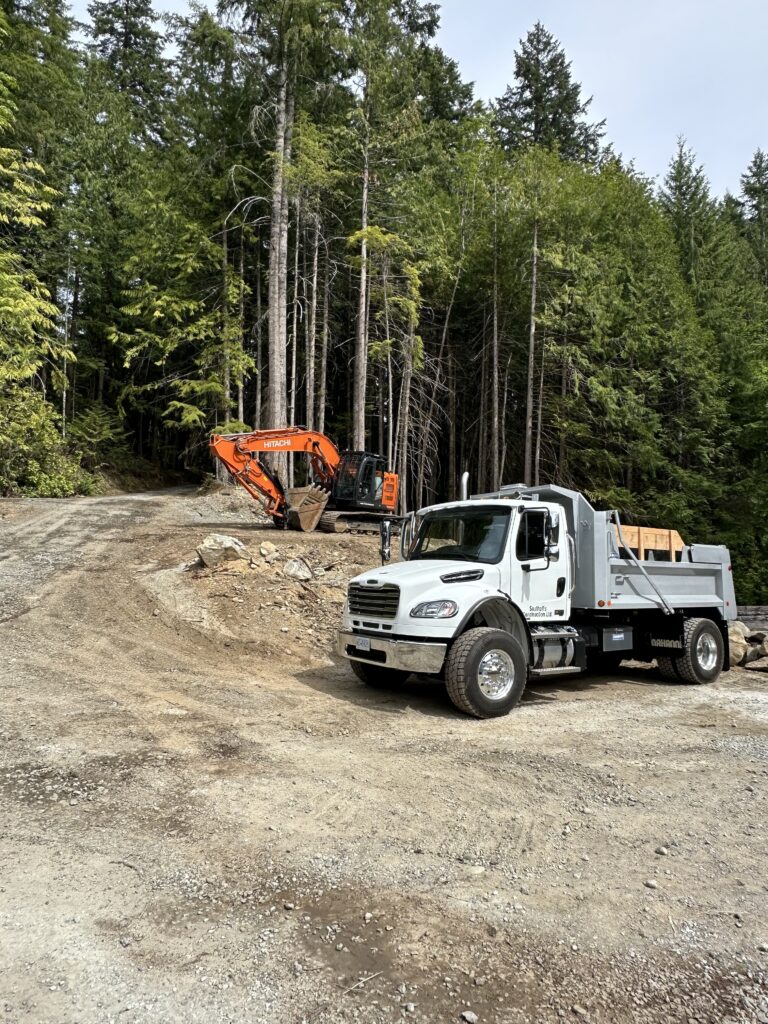
Before a shovel ever touches the ground, the characteristics of the building lot play a significant role in shaping costs. Site preparation is rarely a one-size-fits-all task, especially on Vancouver Island, where topography, vegetation, and utility access vary widely.
In many areas surrounding Victoria—such as North Saanich, Oak Bay, or Cordova Bay—sloped lots are common. Building on an incline often requires engineered retaining walls, deeper foundations, and custom drainage systems to ensure long-term stability. The complexity of this work can add weeks to the timeline and tens of thousands to the budget.
Additionally, mature trees and natural features may require consultation with arborists or environmental professionals before removal. Municipalities often have strict bylaws that protect tree species or require replanting permits, especially in semi-rural or environmentally sensitive areas. Soil testing is also essential—unstable or expansive soil may require modified engineering solutions that are both labour- and cost-intensive.
Another cost driver is access to infrastructure. While many urban lots are service-ready, more remote or undeveloped areas may require utility extensions for water, septic, power, and internet, which may require trenching or easements.
2. Permits, Development Fees, and Municipal Charges
Navigating local regulations is essential to custom home building in Victoria. Municipal and regional governments impose a range of fees and approvals that vary by project scope, location, and community planning goals.
Development Cost Charges (DCCs), which fund public infrastructure like roads and water systems, are among the most significant. These fees are calculated based on the size and scale of the build and can rise substantially for larger homes. Depending on the municipality, these may range from $10,000 to $30,000 or more.
In addition, standard building permits and inspection fees cover multiple project stages—from initial submission to final occupancy. These costs can increase if the home design requires special variances or approval from the architectural review committee.
Coastal properties or sites near designated environmental areas can also require additional documentation, such as geotechnical reports or environmental impact assessments. These reports must be completed by licensed consultants and submitted before approval, which adds time and cost.
3. Mid-Project Design Modifications
It’s not uncommon for design preferences to evolve once construction is underway. Seeing spaces take shape can trigger new ideas or adjustments. However, even minor changes during construction can introduce substantial costs.
A revised window size, a reconfigured kitchen layout, or an alternative material selection may seem simple, but these decisions can trigger cascading effects: subcontractors must rework prior installations, materials already ordered may become unusable, and revised architectural plans may require approval. Each change affects labour schedules, site coordination, and potentially the entire project timeline.
Labour inefficiencies caused by design changes are particularly costly. When trades are pulled off scheduled work to accommodate rework or await updated plans, project productivity declines. In addition, new orders of bespoke materials often come with extended lead times.
To manage this, it is recommended that clients allocate a design contingency within their overall budget. A 5–10% buffer for discretionary changes provides flexibility without destabilizing financial plans.
Planning Tip: Assume at least 5–10% of your construction budget may go toward mid-project changes or upgrades based on evolving decisions.
4. High-End Features and Integration Complexity
Sophisticated homes often include premium systems and artisanal finishes, many of which require expert installation, custom fabrication, or careful system integration.
Smart home technology is now a standard expectation at this level. Whole-home automation—including lighting, HVAC control, audio-visual systems, and security—must be designed and installed with forethought to avoid the need for retrofits. These systems typically begin around $50,000 and can exceed $100,000 depending on complexity.
Similarly, sustainable features such as high-efficiency heat pumps, advanced insulation assemblies, energy modelling, and passive solar design introduce both upfront and long-term considerations. While energy performance provides savings over time, the initial investment can be significant.
Other cost drivers include custom millwork, stone surfaces, and imported fixtures, all of which require lead time and precise coordination with trades. Unlike builder-grade options, luxury finishes often require advanced planning to avoid delays.
Callout: Many features perceived as “extras” are standard expectations in luxury construction—budgeting accordingly from the outset is essential.
5. Exterior Finishing and Landscape Architecture
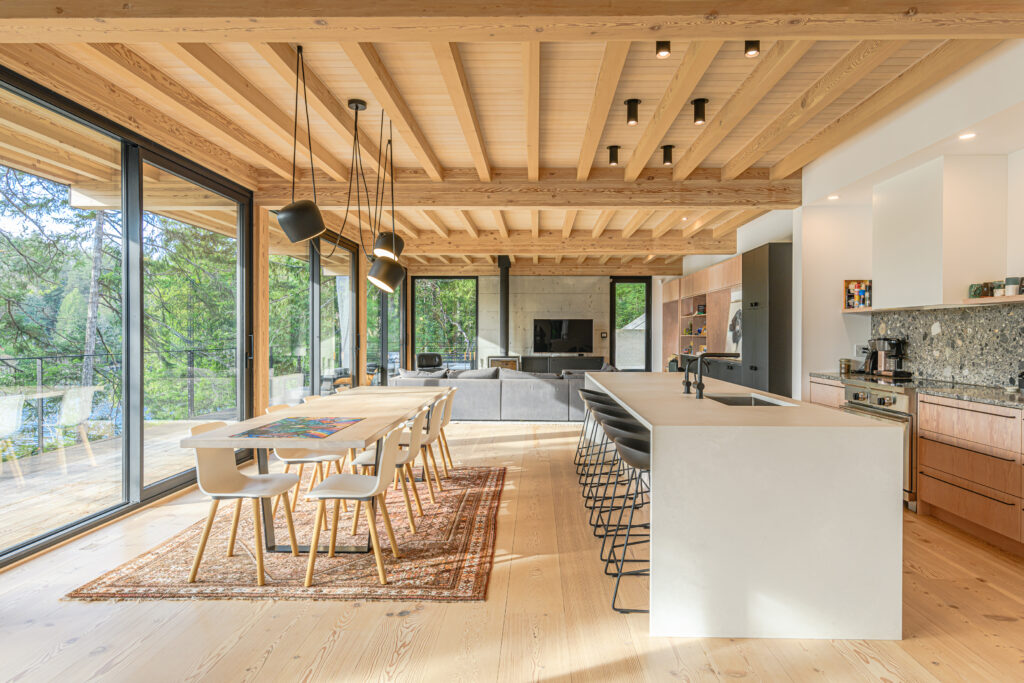
The visual presence and utility of outdoor space are core components of custom home design, but they’re often underbudgeted.
Hardscaping, such as driveways, terraces, and retaining walls, often involves heavy equipment and specialized contractors. These elements are essential on sloped or view-oriented lots to create usable, functional outdoor spaces.
Outdoor living spaces, including covered patios, fireplaces, and integrated cooking areas, are increasingly popular. Designing these spaces for Victoria’s coastal climate requires durable materials and professional planning.
Finally, landscaping—including irrigation systems, grading, privacy screening, and exterior lighting—can rival the complexity of interior construction. Landscape architecture is not just an aesthetic decision but one that impacts drainage, usability, and long-term maintenance.
Cost Note: Exterior work can account for 10–20% of the project’s final cost, with budgets from $75,000 upward common for fully developed outdoor spaces.
6. Market Volatility and Escalation Clauses
Victoria’s construction market continues to experience price fluctuations, particularly with imported materials and skilled trades. This can introduce risk if not clearly addressed in the contract.
Many builders now include escalation clauses that allow price increases due to market shifts in materials such as lumber, steel, and electrical components. These clauses vary in structure—some allow fixed increases tied to market indices, while others are negotiated on a case-by-case basis.
Labour pricing is another variable. The availability of skilled trades can affect timelines and drive up costs, particularly during seasonal demand peaks.
Where possible, it’s advisable to pre-order long-lead items and secure pricing for major components early in the project.
7. Timeline Extensions and Holding Expenses
Custom homes—especially those with high architectural complexity—often require longer build durations. When timelines extend, even modestly, the financial ripple effects can be substantial.
Extended project durations increase carrying costs, including interest on construction financing, interim housing, and storage for household belongings.
It’s also worth considering seasonal factors. Winter weather in Victoria can delay certain trades or inspections. Any delay on the critical path can affect multiple workstreams, especially in tightly sequenced custom projects.
Callout: Build schedules extending 2–3 months beyond projection can result in tens of thousands in unforeseen holding costs.
8. Professional Consultants and Advisory Services
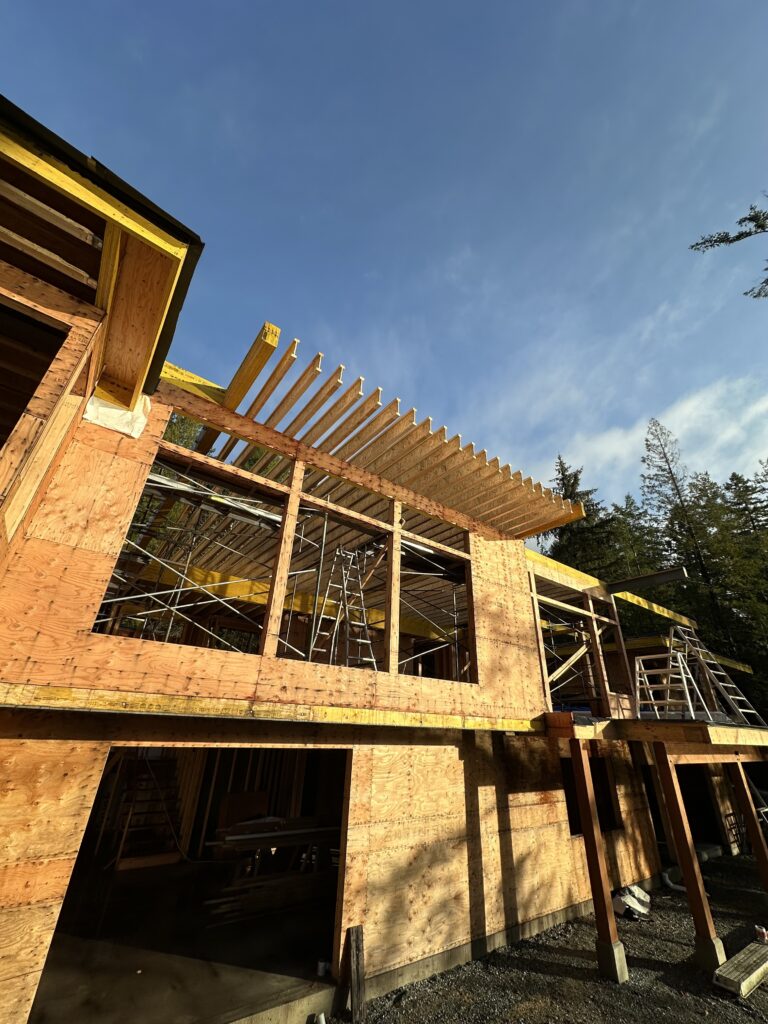
Custom home projects require the expertise of a broad professional team, whose fees should be included in early-stage budgeting.
Interior designers do far more than select finishes—they contribute to spatial planning, furniture layouts, and lighting design. Their involvement can influence everything from ceiling heights to electrical placement, adding both value and cost.
Landscape architects play a crucial role in site planning, especially for lots with grading or privacy challenges. They coordinate with engineers to ensure functional, sustainable, and beautiful outdoor environments.
Additional consultants may include surveyors, energy modellers, structural or geotechnical engineers, and building envelope specialists, depending on the site and municipal requirements.
Conclusion: Planning with Clarity and Confidence
Building a custom home is both a creative and financial endeavour. While the appeal lies in complete design freedom and tailored living, success depends on an informed understanding of the true cost landscape.
Hidden expenses—from site prep to professional fees—can significantly shape the final outcome if not anticipated. While these costs are not inherently negative, they require proper planning, transparency, and collaboration between client, builder, and consultants.
Including a well-structured contingency plan, asking the right questions up front, and working with an experienced, detail-oriented builder provide the clearest path to both financial control and design satisfaction.
FAQs
What are the typical hidden costs in a luxury custom home build in Victoria?
These often include lot prep, development charges, design changes, tech integration, landscaping, escalation clauses, and consultant fees.
How much should I budget for design changes?
A 5–10% contingency is advisable to accommodate evolving decisions during construction.
Are smart home features standard in custom homes?
They are increasingly expected. Full-system automation typically starts at around $50,000 and scales with complexity.
What is a construction escalation clause?
It allows builders to adjust pricing if material or labour costs increase significantly mid-project. Terms should be reviewed carefully.
How can I keep luxury home costs predictable?
Plan early, request detailed breakdowns, build a contingency, and work with experienced consultants from the start.