


Beyond the White Box: 5 Design Shifts Defining Victoria Luxury Homes in 2026
In Victoria’s prestige home market, the era of all-white interiors, sterile minimalism, and cookie-cutter floor plans is quietly giving way to something far more intentional.
This shift is especially apparent in Vancouver Island’s most desirable neighbourhoods—where sweeping views, coastal climate, and architectural diversity offer the ideal canvas for design that goes deeper than surface trends. Whether working with an architect to build from scratch or collaborating with a Victoria custom home builder, those seeking meaningful, enduring homes are embracing a new design philosophy.
1. The Return of Warmth: Warm Minimalism & Biophilic Design
Neutral palettes still dominate many interiors, but sterile white has lost its grip. Instead, we are seeing a shift toward Warm Minimalism (often called Midimalism)—a marked return to organic textures and rich, earthy tones that foster a sense of warmth, character, and connection to the land.
Natural materials are being embraced for more than their aesthetic value; they are a core part of Biophilic Design. Clay and lime-based plasters bring movement and texture to walls without being visually overwhelming. White oak and walnut are preferred choices for flooring and millwork, valued for their depth, durability, and timeless appeal.
- Stone features, such as the travertine and quartzite used in our The Retreat project, are replacing predictable quartz countertops.
- Handmade tile adds variation and tactile appeal to bathrooms, kitchens, and entryways.
Pro Tip:
Texture is the new luxury. In high-end homes, materiality now speaks louder than high-gloss finishes. Look for handmade, matte, and natural textures that invite touch and age gracefully over time.
2. Beyond Open Concept: The Rise of the “Mess Kitchen”
The open-concept layout, once synonymous with modern luxury, is being refined. Homeowners are now seeking floor plans that balance fluidity with function, offering both connection and privacy. As lifestyles become more nuanced, so does spatial planning.
One of the most requested features for 2026 is the “Mess Kitchen” (or hidden scullery). This dedicated workspace sits behind the main kitchen, allowing hosts to prep food and hide clutter while the primary island remains pristine for entertaining.
Other defining layout features gaining traction include:
- Zoned layouts that separate active living areas from passive retreats.
- Pocket doors and integrated sliding panels for flexible separation.
- Private retreats, including reading alcoves and indoor-outdoor solariums.
Design Insight:
Flow still matters, but privacy is premium. Sophisticated homeowners are choosing thoughtful zoning over expansive, undefined spaces.
3. Integrated Living: West Coast Modern Defined
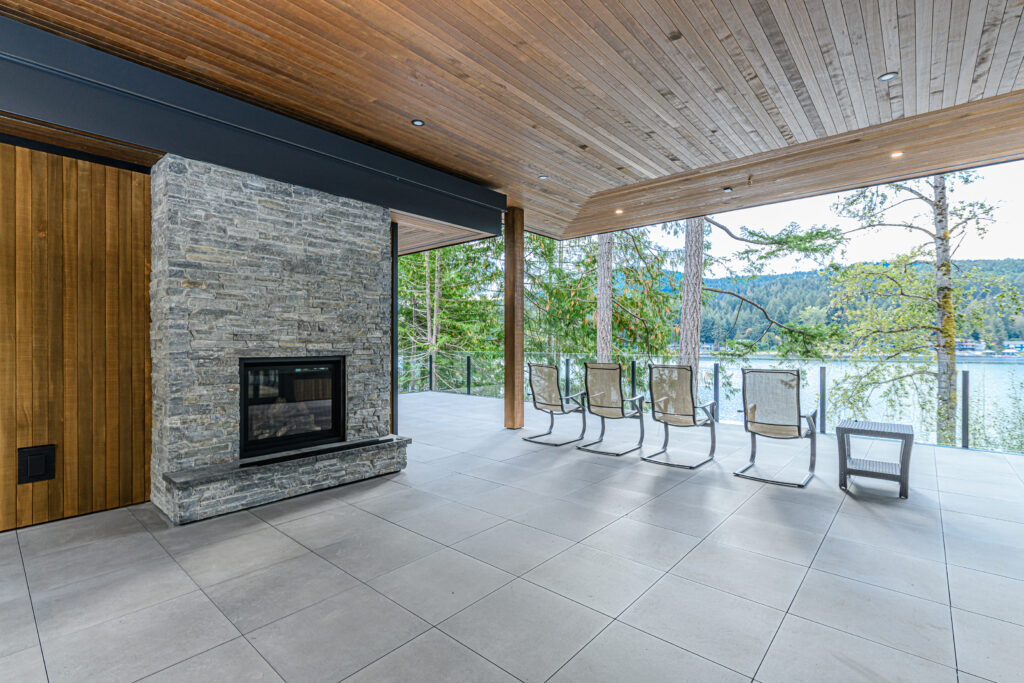
Victoria’s temperate climate and spectacular scenery have long made outdoor living a priority. But in 2026, integration is going deeper than ever. Rather than treating the outdoors as an extension, architecture is dissolving the boundary entirely—a hallmark of true West Coast Modern design.
Key trends in integrated indoor-outdoor design include:
- Disappearing wall systems that allow full openings to patios or gardens.
- Clerestory windows and skylights for natural daylight deep into interior spaces.
- Outdoor rooms with heating, weather protection, and durable luxury furnishings.
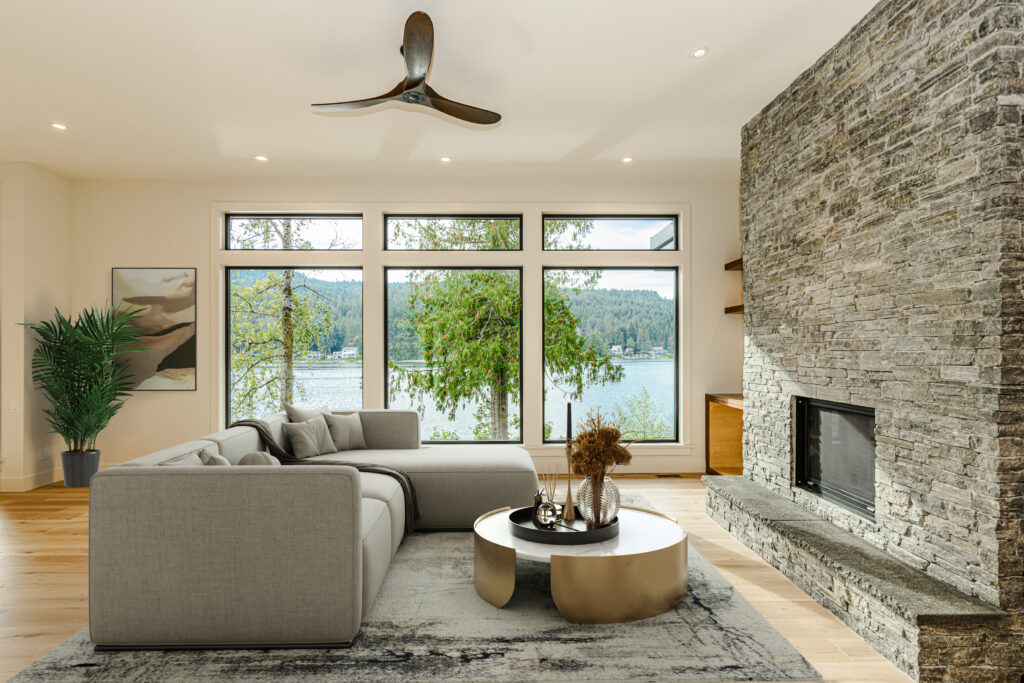
- Seamless material transitions, such as matching stone from the living room to the terrace.
Key Takeaway:
Integrated design isn’t an add-on—it’s a mindset. The best homes in 2026 are blurring the line between interior comfort and the sensory experience of nature.
4. Subtle Technology & Energy Performance
Technology continues to play a growing role in home design, but the approach in 2026 is quieter, more intentional, and increasingly design-led. The emphasis is on creating seamless user experiences without compromising the home’s aesthetics.
Rather than overt displays of gadgets, homeowners are integrating invisible smart home features. Lighting, climate control, security, and sound are all operable via discreet interfaces or voice activation.
Energy efficiency is also moving from “optional” to “essential” with the new BC Energy Step Code and Zero Carbon regulations.
- Net Zero Ready systems are becoming standard in luxury builds.
- Heat pump systems and triple-glazed windows are paired with intuitive energy management platforms.
Insight:
Today’s most admired homes make advanced technology nearly invisible. A truly modern residence combines design sensitivity with operational ease.
5. The Healthy Home: Air, Water, & Light as Luxury Amenities
True luxury in 2026 is defined by how a home makes you feel physically. The “Wellness” trend has evolved beyond adding a home gym; it is now woven into the mechanical DNA of the house itself.
Victoria homeowners are increasingly asking for “Healthy Home Ecosystems” that actively support longevity and well-being. This is where your custom builder’s technical expertise becomes vital.
- Hospital-Grade Air Quality: With wildfire seasons becoming a reality in BC, HEPA filtration and Heat Recovery Ventilators (HRVs) are non-negotiable. These systems actively scrub indoor air of smoke, allergens, and pathogens, ensuring the home remains a safe haven regardless of the weather outside.
- Circadian Lighting: We are installing smart lighting systems that mimic the sun’s natural arc—bright, blue-toned light in the morning to stimulate cortisol, shifting to warm, amber tones in the evening to support melatonin production. This subtle technology profoundly impacts sleep quality.
- Whole-Home Water Filtration: Beyond the kitchen tap, luxury builds now feature point-of-entry filtration, ensuring every shower and faucet delivers chlorine-free, mineral-balanced water.
Key Takeaway:
The most valuable features of a 2026 custom home are the ones you can’t see, but you can definitely feel. A home that supports your health is the ultimate asset.
6. Flexibility for the Future: Multigenerational Living
As lifestyles evolve, so does the need for homes that can adapt without requiring major structural changes. This is especially relevant in custom builds, where long-term livability is often prioritized alongside immediate function.
Multigenerational living is driving the demand for flexible spaces. Finished basements are increasingly designed not just as rec rooms, but as garden suites or secondary units that can generate income or house aging parents.
Even garages are being outfitted with charging capabilities and flexible storage to support both electric vehicles and recreational gear.
Design Note:
Adaptability doesn’t require compromise. With thoughtful planning, flexible spaces can be seamlessly integrated into high-end architectural plans.
7. Exterior Evolution: Dark, Durable, and Fire-Smart
While interiors are warming up, exteriors are toughening up. The exterior aesthetic for 2026 Victoria homes is defined by resilience and “Moody Modernism.” We are seeing a decisive shift away from maintenance-intensive cedar siding toward materials that can withstand coastal elements and mitigate wildfire risks.
- The “Vantablack” Aesthetic: Deep charcoal, midnight blue, and matte black exteriors are dominating the landscape. These dark hues allow the home to recede visually into the tree line, blurring the boundary between structure and nature.
- Fire-Smart Materials: Shou Sugi Ban (charred timber) is trending not just for its stunning black texture, but for its natural fire and rot resistance. We are also seeing a surge in architectural metal siding and fibre-cement panels that offer the look of wood without the combustibility—a critical consideration for homes built in the interface zones of the Highlands or Metchosin.
- Storm-Proof Roofing: Standing seam metal roofs are replacing asphalt shingles, chosen for their longevity, ability to shed pine needles, and sleek, modern profile.
Pro Tip:
Resilience is beautiful. By choosing materials that age gracefully and resist the elements, you reduce long-term maintenance while achieving that coveted West Coast Modern look.
Looking Forward: More Meaning, Less Imitation
Victoria’s luxury home market continues to evolve, but one theme remains consistent: in 2026, design is personal, purposeful, and highly site-specific. The rise of Warm Minimalism, smarter spatial zoning, subtle technology, and holistic integration with the outdoors all point to a maturing design culture—one that moves beyond trend-chasing toward lasting value.
For professionals building in the region, the opportunity lies in aligning architectural design with lifestyle, site potential, and craftsmanship. The “white box” may have had its moment, but today’s discerning homeowners want more than blank space—they want a home that tells their story, honours its setting, and endures with grace.
Frequently Asked Questions (FAQs)
What design trends are replacing all-white interiors in luxury homes?
Warm Minimalism and Midimalism are replacing sterile white interiors. Warm neutral tones, textured wall finishes, natural stone, and handmade tile are all on the rise, adding depth and character.
Is the open concept still popular in luxury homes?
While openness is still valued, many homeowners are favouring zoned layouts with features like Mess Kitchens (sculleries) to separate prep work from entertaining spaces.
What are “Fire-Smart” materials for Victoria homes?
Materials like metal roofing, fibre-cement siding, and Shou Sugi Ban (charred wood) are trending because they offer high fire resistance—crucial for properties in the Highlands or wooded areas.
How are custom homes planning for the future?
Flexible layouts that support multigenerational living, aging-in-place features, and potential secondary suites are being incorporated to ensure the home remains functional in the long term.
Why is texture so important in luxury home design today?
Texture is a key element of Biophilic Design. In a market where craftsmanship matters, textured materials like clay plaster and raw wood create a sense of depth and luxury that glossy surfaces cannot match.